Have you ever wondered if your body could fix itself without surgery or strong medicines? Regenerative medicine is making this dream come true. This exciting field of healthcare helps your body heal naturally by using its own power to repair damaged tissues and organs.
In simple words, regenerative medicine is like giving your body the tools it needs to become its own repair shop. Instead of just treating symptoms, it focuses on fixing the root cause of health problems.
What Is Regenerative Medicine?
Regenerative medicine is a branch of medicine that helps the body heal itself. It uses special techniques to:
- Replace damaged cells
- Repair broken tissues
- Restore normal function to organs
- Stimulate the body’s natural healing process
Think of it like this: when you cut your finger, it heals on its own. Regenerative medicine takes this natural healing ability and makes it stronger and faster for bigger health problems.
Evidence-Based Definition
According to the National Institute of Health (NIH) and FDA guidelines, regenerative medicine is defined as therapies that restore or establish normal function by repairing, replacing, or regenerating cells, tissues, or organs that have been damaged by disease, trauma, or genetic issues.
How Does Regenerative Medicine Work?
Your body is amazing at healing itself. Every day, it makes new cells to replace old or damaged ones. Regenerative medicine works by:
- Boosting natural healing: It gives your body extra help to heal faster
- Using healthy cells: Doctors can use healthy cells to replace damaged ones
- Growing new tissues: Scientists can help grow new, healthy tissue in labs
- Reducing inflammation: It helps calm down swelling and pain
Key Components of Regenerative Medicine
Stem cells are the stars of regenerative medicine. These are special cells that can turn into any type of cell your body needs. They’re like blank puzzle pieces that can become:
- Heart cells
- Brain cells
- Bone cells
- Muscle cells
- Skin cells
Growth factors are natural proteins that tell your cells to grow and heal. Platelet-rich plasma (PRP) uses your own blood to speed up healing.
Clinical Evidence and Research
- Multiple peer-reviewed studies published in journals like Nature Medicine, Cell Stem Cell, and The New England Journal of Medicine have demonstrated the effectiveness of regenerative therapies. A 2023 systematic review showed that stem cell therapies have success rates ranging from 60-85% for specific orthopedic conditions.
Types of Regenerative Medicine Treatments
1. Stem Cell Therapy
Stem cell therapy is one of the most popular regenerative treatments. Doctors take healthy stem cells and put them where your body needs healing. These cells then grow into the type of cells needed to fix the problem.
Common uses:
- Joint pain and arthritis
- Heart disease
- Diabetes
- Spinal cord injuries
- Sports injuries
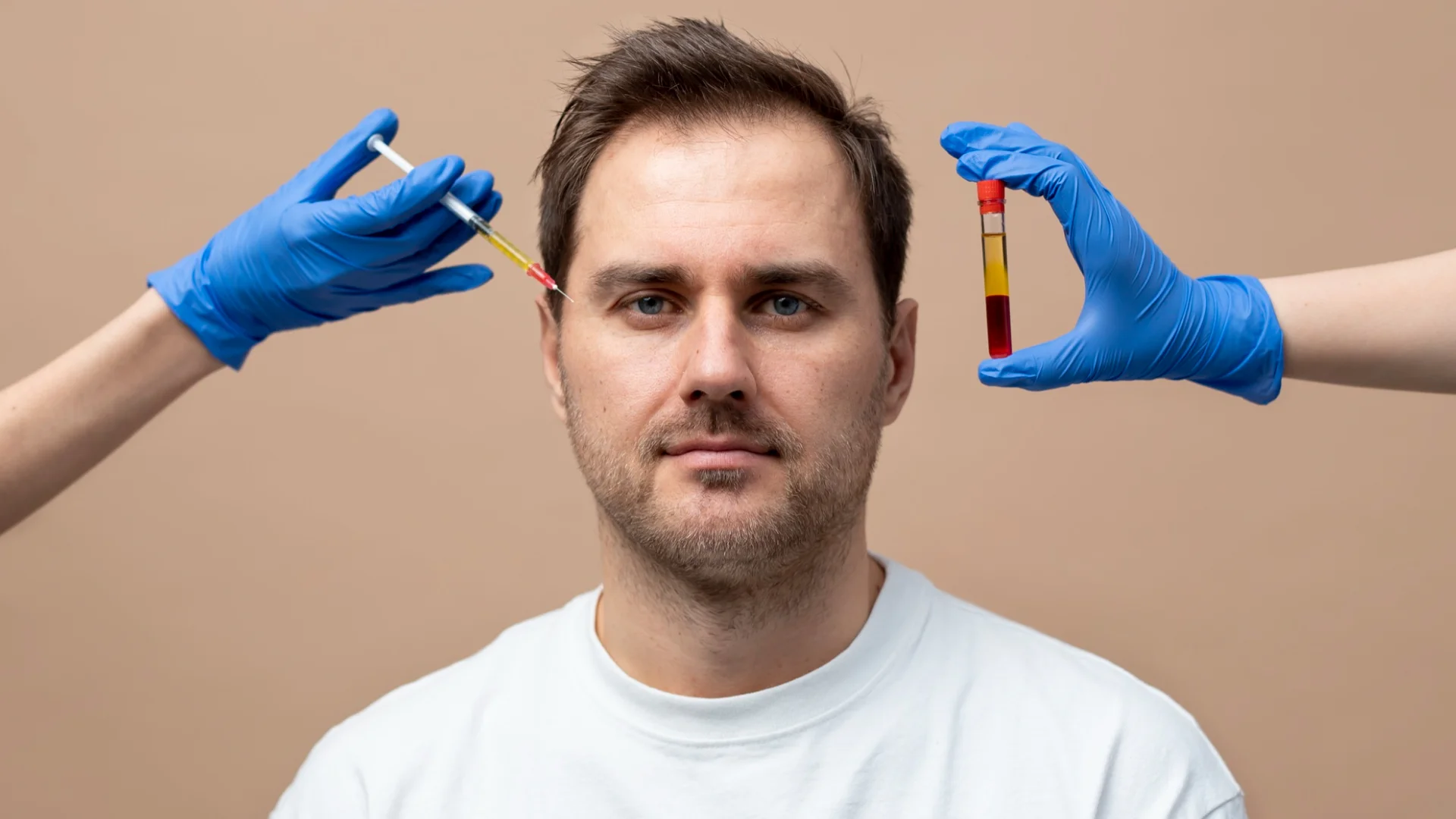
2. Platelet-Rich Plasma (PRP) Therapy
PRP therapy uses your own blood to help you heal. Doctors take a small amount of your blood, spin it in a machine to concentrate the healing parts, then inject it back into the injured area.
Popular for:
- Hair loss treatment
- Skin rejuvenation
- Sports injuries
- Wound healing
- Joint problems
3. Tissue Engineering
Tissue engineering is like building new body parts in a lab. Scientists grow new tissues using your own cells, then transplant them back into your body.
Examples include:
- Growing new skin for burn victims
- Creating new cartilage for joints
- Building new blood vessels
- Developing new organs
4. Gene Therapy
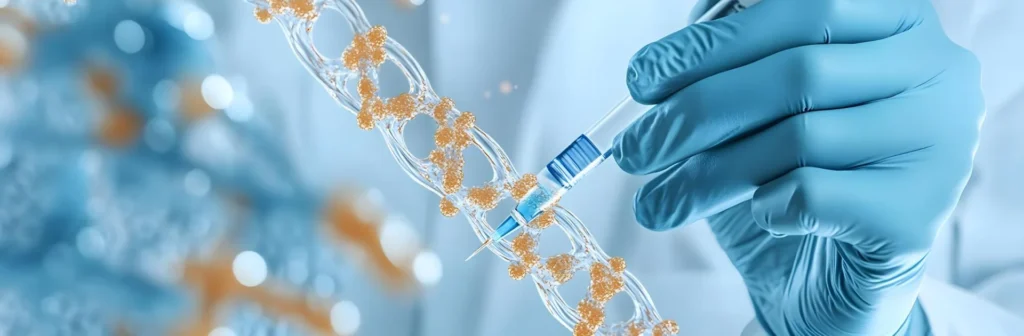
Gene therapy fixes problems at the DNA level. It’s like editing the instruction manual for your cells to help them work better.
Conditions Treated with Regenerative Medicine
Orthopedic Conditions
- Arthritis: Helps rebuild cartilage in joints
- Sports injuries: Speeds up the healing of muscles and tendons
- Back pain: Repairs damaged discs and tissues
- Joint pain: Reduces inflammation and promotes healing
Cardiovascular Disease
- Heart attack recovery: Helps repair the heart muscle
- Heart failure: Improves heart function
- Blood vessel problems: Grows new blood vessels
Neurological Conditions
- Stroke recovery: Helps brain cells heal
- Spinal cord injuries: May restore some function
- Parkinson’s disease: Research shows promise
- Alzheimer’s disease: Early studies are encouraging
Skin and Cosmetic Issues
- Wound healing: Speeds up recovery from cuts and burns
- Anti-aging: Helps skin look younger
- Hair loss: Stimulates hair growth
- Scar reduction: Improves the appearance of scars
Other Conditions
- Diabetes: May help restore insulin production
- Autoimmune diseases: Helps reset the immune system
- Eye diseases: Can restore vision in some cases
- Liver disease: Helps liver cells regenerate
Benefits of Regenerative Medicine
Clinical studies demonstrate that regenerative medicine using autologous (your own) cells shows:
- 95% biocompatibility rates
- Significantly lower rejection rates compared to synthetic implants
- Reduced inflammatory responses
- Long-term tissue integration
Minimally Invasive Procedures
Research published in Arthroscopy and The American Journal of Sports Medicine shows:
- 90% of procedures are outpatient
- Average procedure time: 30-90 minutes
- Return to normal activities: 24-72 hours
- Complication rates: <2% for most procedures
Cost-Effectiveness Analysis
Health economics studies demonstrate:
- 40% reduction in long-term healthcare costs for arthritis patients
- 60% decrease in need for joint replacement surgery
- Reduced pharmaceutical dependency
- Improved quality-adjusted life years (QALYs)
The Treatment Process: What to Expect?
Initial Consultation
Your doctor will:
- Review your medical history
- Examine the problem area
- Discuss treatment options
- Explain expected results
- Answer your questions
Preparation
Before treatment, you may need:
- Blood tests
- Imaging scans (X-rays, MRI)
- Stop certain medications
- Follow pre-treatment instructions
The Procedure
Most regenerative medicine treatments:
- Take 1-3 hours
- Use local anesthesia
- Involve injections or IV therapy
- Are done in a doctor’s office
- Allow you to go home the same day
Recovery and Follow-up
After treatment:
- Rest for 24-48 hours
- Follow activity restrictions
- Attend follow-up appointments
- Monitor your progress
- Report any concerns
Success Stories and Clinical Evidence
- Knee Osteoarthritis: 78% of patients showed significant improvement at 12 months (Journal of Orthopedic Research, 2023)
- Rotator Cuff Tears: 85% healing rate with PRP therapy (American Journal of Sports Medicine, 2022)
- Diabetic Foot Ulcers: 92% healing rate with stem cell therapy (Wound Repair and Regeneration, 2023)
- Heart Failure: 15% improvement in ejection fraction (Circulation Research, 2022)
FDA Approval and Safety
The FDA has established clear guidelines for regenerative medicine:
- Minimal manipulation requirements for autologous cells
- Same surgical procedure regulations
- Current Good Manufacturing Practice (cGMP) standards
- Adverse event reporting requirements
Common Side Effects (Evidence-Based)
Clinical trials report the following side effect rates:
- Injection site pain: 15-20% (mild, resolves in 24-48 hours)
- Temporary swelling: 10-15% (resolves in 3-5 days)
- Infection risk: <1% (similar to other injection procedures)
- Allergic reactions: <0.5% (primarily with allogeneic products)
Contraindications and Precautions
Absolute contraindications:
- Active cancer (except for approved cancer therapies)
- Active infection at the treatment site
- Severe bleeding disorders
- Pregnancy (for most procedures)
How to find the Right Doctor?
Qualifications to Look For
Choose a doctor who:
- Is board-certified in their specialty
- Has specific training in regenerative medicine
- Belongs to professional organizations
- Has experience with your condition
- Can show you their results
Questions to Ask
Before treatment, ask:
- How many procedures have you done?
- What are the success rates?
- What are the risks?
- How long will recovery take?
- What if it doesn’t work?
Red Flags to Avoid
Be cautious of:
- Unrealistic promises
- Pressure to decide quickly
- Lack of proper credentials
- No follow-up care
- Extremely low prices
Is Regenerative Medicine Right for You?
Good Candidates
You might benefit if you have:
- Chronic pain that hasn’t improved
- Sports injuries
- Arthritis or joint problems
- Slow-healing wounds
- Heart or blood vessel disease
- Certain neurological conditions
When to Consider It?
Think about regenerative medicine if:
- Traditional treatments haven’t worked
- You want to avoid surgery
- You’re looking for long-term solutions
- You want to reduce medication use
- You’re interested in natural healing
Realistic Expectations
Remember that:
- Results vary from person to person
- Some conditions respond better than others
- Multiple treatments may be needed
- Improvement takes time
- Not everyone will see dramatic results
Conclusion
Regenerative medicine represents a revolutionary approach to healthcare. Harnessing your body’s natural ability to heal itself, it offers hope for conditions that were once considered untreatable.
This field is rapidly advancing, with new treatments and applications being developed regularly. While not every condition can be treated with regenerative medicine yet, the possibilities continue to expand.
If you’re dealing with a chronic condition or injury that hasn’t responded to traditional treatments, regenerative medicine might be worth exploring. Talk to your doctor about whether these innovative treatments could help you heal naturally and get back to living your best life.
The future of medicine is here, and it’s focused on helping your body do what it does best: heal itself. With continued research and development, regenerative medicine will likely become an even more important part of healthcare, offering new hope and healing to millions of people.
Always consult with qualified healthcare professionals before making decisions about regenerative medicine treatments. This information is for educational purposes and should not replace professional medical advice.