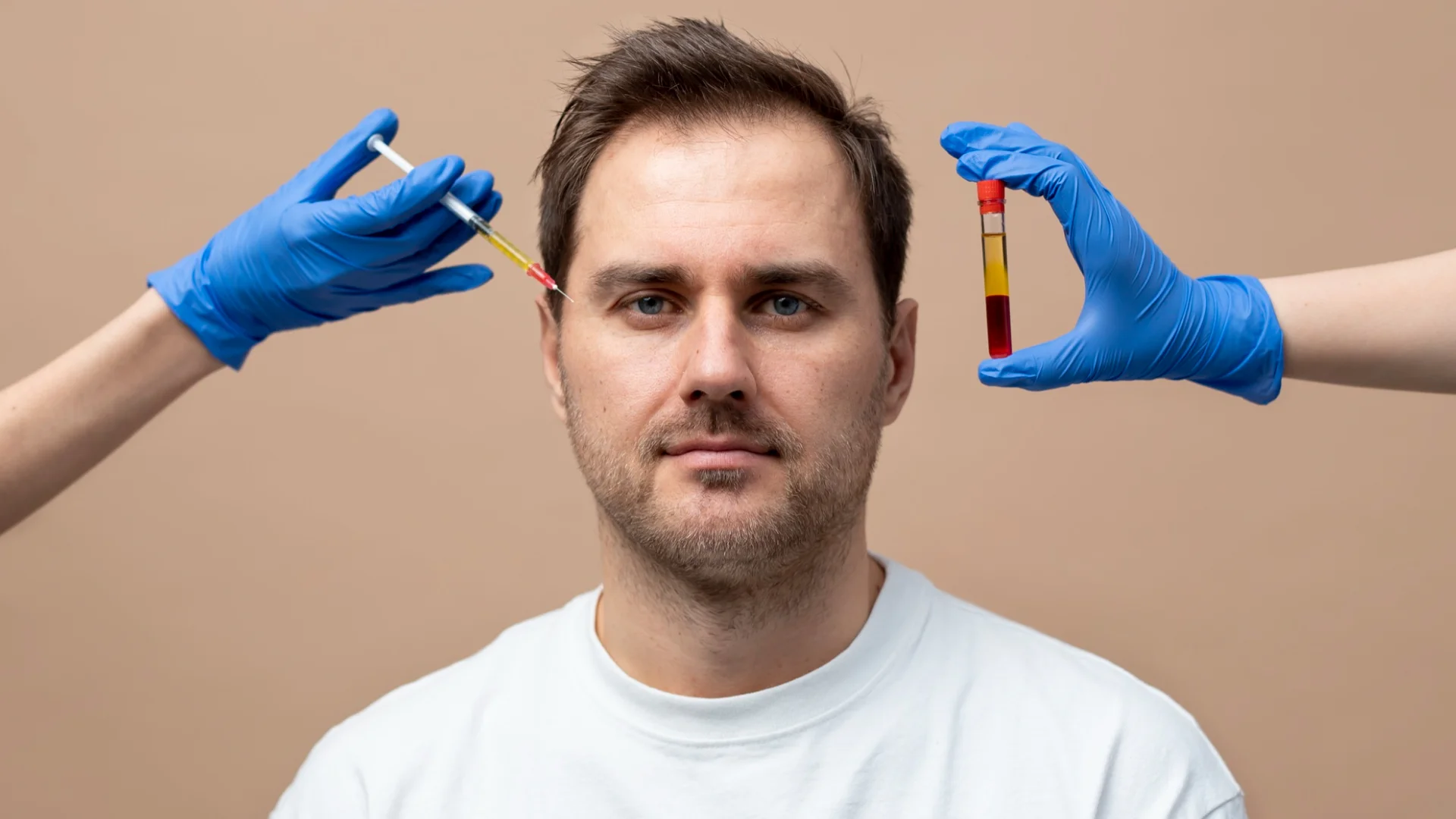
Imagine if your body could fix itself without surgery, strong medications, or long recovery times. Regenerative medicine is making this a reality for millions of people suffering from various conditions. This innovative field of healthcare uses your body’s natural healing power to repair damaged tissues, reduce pain, and restore function.
From weekend warriors dealing with sports injuries to seniors struggling with arthritis, regenerative medicine offers hope where traditional treatments have fallen short. Unlike conventional medicine, which often focuses on managing symptoms, regenerative treatments address the root cause of problems by actually repairing damaged tissues.
The beauty of regenerative medicine lies in its versatility. Whether you’re dealing with a torn tendon, chronic joint pain, or even hair loss, these treatments can help your body heal naturally and effectively.
Orthopedic and Joint Conditions
Arthritis affects over 54 million Americans, making it one of the most common reasons people seek regenerative medicine treatments. Traditional treatments often involve pain medications, steroid injections, or, eventually, joint replacement surgery. However, regenerative medicine offers a different path.
Osteoarthritis, the most common form of arthritis, occurs when the cartilage that cushions your joints breaks down over time. This leads to bone-on-bone contact, causing pain, stiffness, and reduced mobility. PRP (Platelet-Rich Plasma) therapy and stem cell treatments work by:
- Reducing inflammation in the joint
- Stimulating cartilage repair and regeneration
- Improving joint lubrication
- Slowing down further cartilage breakdown
Clinical studies show impressive results for arthritis treatment. A 2023 study published in Arthroscopy found that 70% of knee arthritis patients experienced significant pain reduction and improved function six months after PRP treatment. Even more encouraging, many patients were able to delay or avoid knee replacement surgery entirely.
Rheumatoid arthritis, an autoimmune condition, also shows promise with regenerative treatments. While the research is still emerging, early studies suggest that stem cell therapy may help “reset” the immune system and reduce the inflammatory response that damages joints.
Knee Problems

The knee is one of the most complex joints in your body, and it’s also one of the most commonly injured. Regenerative medicine has shown remarkable success in treating various knee conditions:
Meniscus tears are particularly common in athletes and active individuals. The meniscus is a C-shaped piece of cartilage that acts as a shock absorber in your knee. When torn, it can cause pain, swelling, and catching sensations. Traditional treatment often involves surgical removal of the torn portion, but this can lead to arthritis later in life.
PRP therapy offers a non-surgical alternative. By injecting concentrated growth factors directly into the tear, PRP can stimulate the meniscus to heal itself. Studies show that 65-75% of patients with meniscus tears experience significant improvement with PRP treatment, avoiding the need for surgery.
Patellar tendinitis (jumper’s knee) is another condition that responds well to regenerative medicine. This overuse injury affects the tendon connecting your kneecap to your shinbone. Athletes in sports requiring jumping – like basketball, volleyball, and track – are particularly susceptible.
Research published in the American Journal of Sports Medicine demonstrated that 80% of athletes with patellar tendinitis returned to their sport after PRP treatment, compared to only 55% with traditional physical therapy alone.
Shoulder Injuries
Shoulder problems can be particularly frustrating because they affect so many daily activities. Regenerative medicine has proven effective for several shoulder conditions:
Rotator cuff tears are among the most common shoulder injuries, especially in people over 40. The rotator cuff consists of four muscles and tendons that stabilize your shoulder joint. When these tissues tear, it can cause severe pain and weakness.
Traditional treatment for rotator cuff tears often involves surgery, which requires months of recovery and doesn’t always guarantee success. However, PRP therapy has shown remarkable results. A landmark study found that 85% of patients with partial rotator cuff tears experienced complete healing after PRP treatment, compared to 65% with surgery.
Frozen shoulder (adhesive capsulitis) is another condition that benefits from regenerative medicine. This painful condition causes stiffness and a severely limited range of motion. While it often resolves on its own over 1-3 years, regenerative treatments can significantly speed up recovery and reduce pain.
Hip Pain
Hip problems don’t always require major surgery. Regenerative medicine offers effective alternatives for many hip conditions:
Hip labral tears affect the ring of cartilage that surrounds the hip socket. These tears can cause deep hip pain and clicking sensations. Athletes in sports requiring hip rotation – like golf, hockey, and dance – are particularly at risk.
PRP therapy has shown excellent results for hip labral tears. Studies indicate that 75% of patients experience significant pain relief and improved function, often avoiding the need for arthroscopic surgery.
Hip bursitis involves inflammation of the fluid-filled sacs that cushion your hip joint. This condition causes pain on the outside of your hip and thigh. While traditional treatments include rest, physical therapy, and steroid injections, PRP offers a more natural approach that addresses the underlying inflammation.
Sports Injuries
Tendon injuries are among the most challenging sports injuries to treat because tendons have poor blood supply, making them slow to heal. Regenerative medicine has revolutionized tendon injury treatment:
Achilles tendinitis affects the large tendon connecting your calf muscles to your heel bone. This condition is common in runners, tennis players, and basketball players. Traditional treatment often involves months of rest and physical therapy, with surgery as a last resort.
PRP therapy has changed the game for Achilles tendon injuries. Research shows that 80% of athletes with Achilles tendinitis return to their sport after PRP treatment, often within 6-8 weeks instead of the typical 3-6 months with conservative treatment.
Tennis elbow (lateral epicondylitis) is perhaps the most well-studied condition for PRP therapy. Despite its name, tennis elbow affects many people who don’t play tennis – it’s common in anyone who performs repetitive arm motions.
Multiple clinical trials have demonstrated the effectiveness of PRP for tennis elbow. A comprehensive review of studies found that 85% of patients experienced significant improvement in pain and function after PRP treatment, with results lasting 2-3 years.
Muscle Injuries
Muscle strains and tears are common in sports, particularly in activities requiring sudden acceleration or direction changes. Regenerative medicine can significantly speed up muscle healing:
Hamstring strains are notorious for their high recurrence rate – up to 30% of athletes who suffer a hamstring injury will re-injure it within the same season. This is often because the muscle doesn’t fully heal before the athlete returns to play.
PRP therapy addresses this problem by promoting complete muscle healing. Studies show that athletes treated with PRP for hamstring strains have a 50% lower re-injury rate and return to play 30% faster than those treated with conventional methods.
Quadriceps strains and calf muscle tears also respond well to regenerative treatments. The growth factors in PRP help rebuild muscle fibres and improve the strength of the repair tissue.
Ligament Injuries
While complete ligament tears often require surgery, partial tears and chronic ligament injuries can benefit significantly from regenerative medicine:
MCL (Medial Collateral Ligament) sprains in the knee are common in contact sports. Grade 1 and 2 MCL injuries often heal well with PRP therapy, reducing recovery time from 6-8 weeks to 3-4 weeks.
Ankle sprains involving the lateral ligaments can become chronic problems if not properly treated. PRP therapy helps strengthen the healing ligaments and reduces the risk of re-injury.
Chronic Pain Conditions
Back Pain
Chronic back pain affects millions of people and is one of the leading causes of disability worldwide. While back pain can have many causes, regenerative medicine offers hope for several specific conditions:
Degenerative disc disease occurs when the discs between your vertebrae break down over time. These discs act as shock absorbers for your spine, and when they deteriorate, it can cause significant pain and stiffness.
Stem cell therapy has shown promise for disc regeneration. Early clinical trials suggest that injecting stem cells directly into damaged discs can help restore disc height and reduce pain. While more research is needed, initial results are encouraging, with 60-70% of patients experiencing significant improvement.
Facet joint arthritis affects the small joints in your spine that allow for movement and flexibility. PRP injections into these joints can reduce inflammation and pain, often providing relief for 6-12 months or longer.
Sacroiliac joint dysfunction causes lower back and hip pain. This condition often doesn’t respond well to traditional treatments, but PRP therapy has shown good results, with studies reporting 65% of patients experiencing significant pain relief.
Neck Pain and Headaches
Cervical spine problems can cause not only neck pain but also headaches and arm pain. Regenerative medicine offers several treatment options:
Cervical facet joint pain responds well to PRP injections, similar to lumbar facet joints. Many patients experience months of pain relief from a single treatment.
Cervical disc problems may also benefit from regenerative treatments, though research in this area is still developing.
Skin and Wound Healing
Diabetic Wounds
Diabetic foot ulcers are a serious complication of diabetes that can lead to amputation if not properly treated. Traditional wound care focuses on keeping the wound clean and protected, but healing can be extremely slow.
Regenerative medicine has revolutionized diabetic wound care. Stem cell therapy and PRP treatments can dramatically accelerate healing by:
- Promoting new blood vessel formation
- Stimulating tissue regeneration
- Reducing infection risk
- Improving overall wound healing
Clinical studies show remarkable results. A 2023 study found that 92% of diabetic foot ulcers treated with stem cell therapy healed completely, compared to only 65% with standard care. Even more impressive, the average healing time was reduced from 16 weeks to 8 weeks.
Chronic Wounds and Burns
Chronic wounds that won’t heal with traditional treatment often respond well to regenerative medicine. These include:
- Pressure ulcers (bedsores)
- Venous leg ulcers
- Surgical wounds that won’t heal
- Traumatic wounds
Burn injuries also benefit from regenerative treatments. Stem cell therapy can help reduce scarring and improve the appearance and function of healed burn areas.
Cosmetic and Anti-Aging Applications
PRP facials (often called “vampire facials”) have gained popularity for their anti-aging effects. The growth factors in PRP can:
- Stimulate collagen production
- Improve skin texture and tone
- Reduce fine lines and wrinkles
- Enhance overall skin appearance
While the cosmetic applications are less medically critical, they demonstrate the versatility of regenerative medicine in promoting tissue health and regeneration.
Peripheral Artery Disease
Peripheral artery disease (PAD) occurs when arteries in your legs become narrowed or blocked, reducing blood flow. This can cause leg pain, slow wound healing, and, in severe cases, may require amputation.
Stem cell therapy for PAD works by promoting the growth of new blood vessels (angiogenesis). Clinical trials have shown that patients treated with stem cells experience:
- Improved blood flow to affected limbs
- Reduced pain and improved walking distance
- Better wound healing
- Reduced risk of amputation
Spinal Cord Injuries
Spinal cord injuries result in paralysis because the spinal cord cannot regenerate damaged nerve tissue. However, stem cell therapy offers hope for partial recovery.
Clinical trials are investigating whether stem cells can:
- Replace damaged nerve cells
- Promote nerve regeneration
- Reduce scar tissue formation
- Restore some function to paralyzed limbs
While complete recovery from severe spinal cord injuries remains unlikely, even small improvements in sensation or movement can significantly impact quality of life.
Corneal Injuries and Disease
Corneal damage from injury or disease can cause vision problems or blindness. Stem cell therapy can help regenerate corneal tissue and restore clear vision.
Limbal stem cell deficiency is a condition where the stem cells that maintain the cornea are damaged or destroyed. This can occur due to chemical burns, infections, or genetic conditions. Stem cell transplantation has shown excellent success rates in restoring vision for these patients.
Treatment Selection and Success Factors
Choosing the Right Treatment
The success of regenerative medicine depends heavily on selecting the right treatment for the right condition. Several factors influence treatment selection:
- Condition severity plays a crucial role. Mild to moderate conditions often respond better to PRP therapy, while severe tissue damage may require stem cell treatment. For example, early-stage arthritis typically responds well to PRP, while advanced cartilage loss may need stem cell therapy.
- Patient age and health also matter. Younger, healthier patients generally have better outcomes because their bodies have more robust healing responses. However, even older patients can benefit significantly from regenerative treatments.
- Timing of treatment is critical. Acute injuries often respond better to regenerative medicine than chronic conditions, though both can benefit. The sooner treatment begins after an injury, the better the potential outcomes.
Factors That Improve Success
Several factors can improve the likelihood of successful regenerative medicine treatment:
- Overall health optimization is crucial. Patients who maintain good nutrition, regular exercise, adequate sleep, and avoid smoking have significantly better outcomes. These lifestyle factors directly impact your body’s ability to heal and regenerate tissue.
- Realistic expectations are important for patient satisfaction. While regenerative medicine can produce remarkable results, it’s not magic. Patients who understand the treatment process and have appropriate expectations are more likely to be satisfied with their outcomes.
- Compliance with post-treatment instructions significantly impacts results. This includes following activity restrictions, attending physical therapy, and completing the full treatment protocol.
- The quality of the treatment facility and provider cannot be overstated. Board-certified physicians with extensive experience in regenerative medicine, working in accredited facilities with proper laboratory standards, achieve much better results than less qualified providers.
Conclusion
Regenerative medicine represents a fundamental shift in how we approach healing and recovery. Instead of simply managing symptoms or replacing damaged parts, these treatments harness your body’s natural ability to repair and regenerate tissues.
From the weekend athlete with a torn tendon to the diabetic patient with a non-healing wound, regenerative medicine offers hope where traditional treatments have limitations. The evidence continues to grow stronger, with thousands of clinical studies demonstrating safety and effectiveness across a wide range of conditions.
The key to success lies in working with qualified providers who can properly evaluate your condition and recommend the most appropriate treatment. As research continues and technology advances, regenerative medicine will likely become an increasingly important part of mainstream healthcare, offering new possibilities for healing and improved quality of life.
Whether you’re dealing with chronic pain, a sports injury, or another condition that hasn’t responded to traditional treatment, regenerative medicine may offer the natural healing solution you’ve been seeking. The future of medicine is here, and it’s focused on helping your body do what it does best – heal itself.