
Joint Pain Management

What is Joint Pain Management?
Joint pain management is a specialized healthcare field focused on diagnosing, treating, and helping patients cope with pain affecting joints throughout the body. Joint pain can range from mild discomfort to severe, debilitating pain that significantly impacts daily activities and quality of life.
Joints are connections between bones that allow movement and flexibility. When joints become painful due to injury, disease, or wear and tear, it affects your ability to perform simple tasks like walking, writing, or getting dressed. Effective joint pain management addresses both physical symptoms and the emotional impact of living with chronic joint discomfort.
Modern joint pain management uses a comprehensive approach, including medications, physical therapy, joint injections, lifestyle modifications, and advanced treatments like regenerative medicine. The goal is to reduce pain, improve joint function, and help you maintain an active, fulfilling life.
Chronic joint pain affects millions worldwide, with conditions like arthritis, osteoarthritis, and rheumatoid arthritis being the leading causes of disability. Unlike acute joint pain from injuries that heal, chronic joint pain persists and often worsens without proper management.
Types of Joint Pain
Acute joint pain
Acute joint pain develops suddenly and typically lasts less than six weeks, often from injuries like sprains or fractures. This usually responds well to rest, ice, and over-the-counter medications.
Chronic joint pain
Chronic joint pain persists for more than six weeks or keeps returning, often indicating underlying joint disease requiring comprehensive management strategies.
Inflammatory joint pain
Inflammatory joint pain occurs when joints become inflamed due to conditions like rheumatoid arthritis or gout. This pain includes swelling, warmth, redness, and morning stiffness lasting over an hour.
Mechanical joint pain
Mechanical joint pain results from wear and tear, most commonly in osteoarthritis. This pain worsens with activity and improves with rest, often described as deep, aching sensations.
Neuropathic joint pain
Neuropathic joint pain occurs when nerves around joints are damaged, feeling like burning, shooting, or electric-like sensations.
Common Causes of Joint Pain
- Osteoarthritis is the most common cause, occurring when protective cartilage breaks down over time, leading to bone-on-bone contact and pain.
- Rheumatoid arthritis is an autoimmune condition where the immune system attacks joint tissues, causing inflammation and eventual joint damage.
- Injuries from sports, falls, accidents, or workplace incidents can damage cartilage, ligaments, tendons, and bones, leading to both acute and chronic joint pain.
- Gout results from uric acid crystal buildup in joints, most commonly affecting the big toe with severe, sudden pain attacks.
- Fibromyalgia causes widespread body pain, including joint areas, though it doesn’t directly damage joints.
- Bursitis occurs when fluid-filled sacs cushioning joints become inflamed, causing pain in the shoulders, elbows, hips, and knees.
- Tendinitis is inflammation of tendons connecting muscles to bones, causing significant joint pain and stiffness.
Symptoms and Impact
Physical symptoms include constant aching, sharp pain, burning sensations, joint stiffness, swelling, warmth, and reduced range of motion. Morning stiffness is common in inflammatory conditions, with joints feeling especially stiff upon waking.
Weather sensitivity affects many people, with barometric pressure, humidity, or temperature changes triggering increased pain. Functional limitations significantly affect daily activities – hand arthritis makes opening jars difficult, knee pain challenges walking and climbing stairs, and hip pain affects walking and sleeping.
Sleep disturbances are common as pain makes finding comfortable positions difficult. Poor sleep worsens pain sensitivity, creating a difficult cycle. Emotional impact includes depression, anxiety, frustration, and social withdrawal. Work impact can be severe, leading to disability, reduced productivity, or early retirement.
Treatment Approaches
Medication Management
Over-the-counter medications are first-line treatments. Acetaminophen provides effective pain relief with fewer side effects. NSAIDs like ibuprofen and naproxen reduce both pain and inflammation but can cause stomach, kidney, or heart problems with long-term use.
Topical medications applied to the skin provide localized relief with fewer systemic side effects. Prescription medications include stronger NSAIDs, DMARDs for inflammatory arthritis, biologics targeting specific immune system parts, and corticosteroids for severe inflammation.
Joint Injection Therapies
- Corticosteroid injections deliver anti-inflammatory medication directly into joints, providing months of relief.
- Hyaluronic acid injections replace natural joint fluid, particularly effective for knee osteoarthritis.
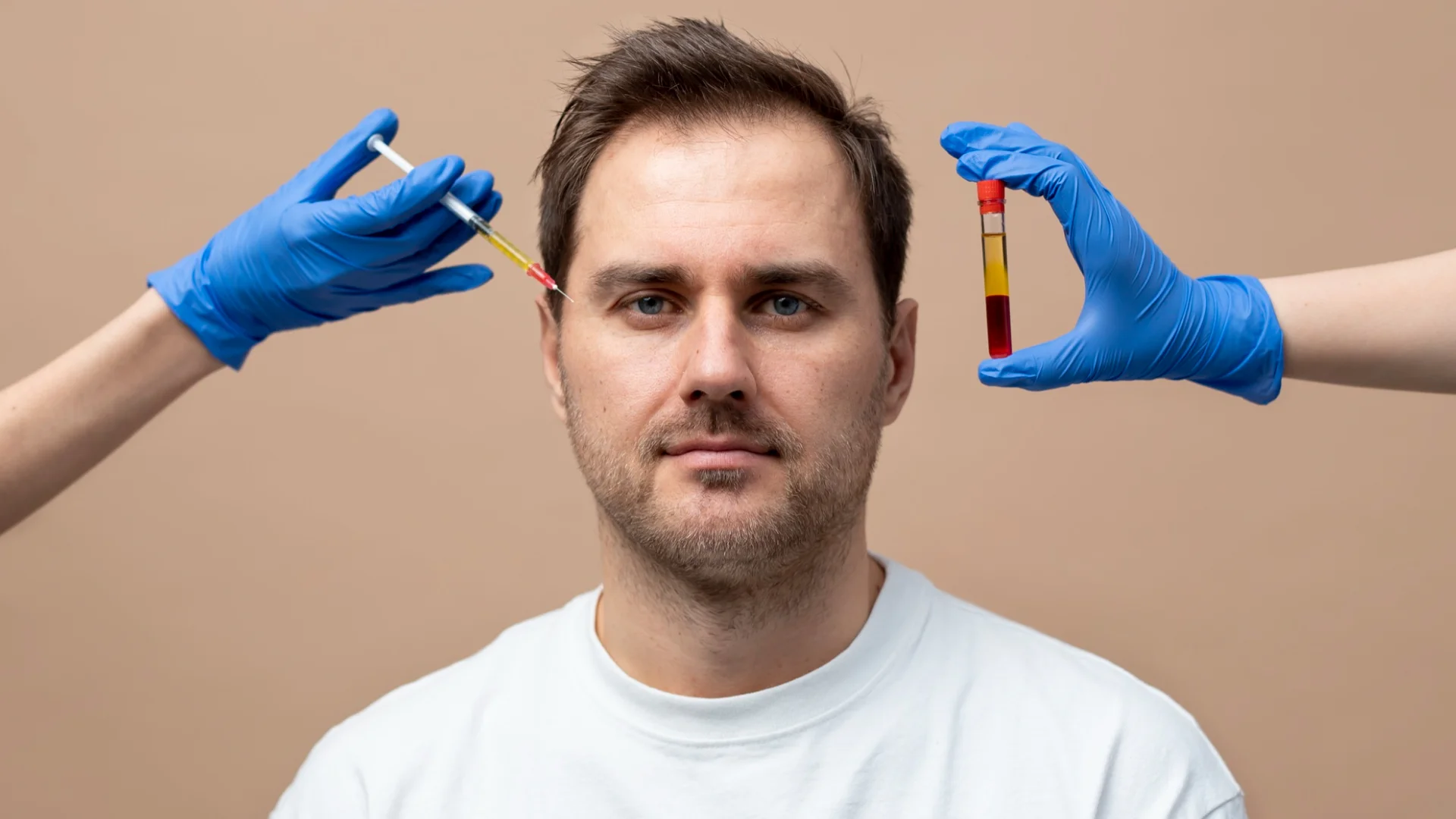
- Platelet-rich plasma (PRP) injections use concentrated platelets from your blood to promote healing.
Physical Therapy and Exercise
- Physical therapy improves joint mobility, strengthens supporting muscles, and teaches pain management techniques.
- Exercise therapy is highly effective – regular, appropriate exercise reduces pain and improves function.
- Strengthening exercises build muscle support around joints.
- Range of motion exercises maintain flexibility.
- Manual therapy, including joint mobilization and massage, provides relief. Aquatic therapy uses water properties for low-impact exercise.
Lifestyle Modifications
- Weight management is crucial – even modest weight loss significantly reduces joint stress.
- Activity modification involves learning joint-friendly ways to perform tasks.
- Heat and cold therapy provide temporary relief.
Complementary Therapies
- Acupuncture shows effectiveness for certain joint pain types.
- Massage therapy reduces muscle tension.
- Yoga and tai chi combine gentle movement with mindfulness.
- Anti-inflammatory diets may help reduce joint pain.

Living with Joint Pain
Successfully managing chronic joint pain requires lifestyle adaptations while maintaining normalcy. Pacing activities balances activity with rest. Joint protection strategies include using larger joints when possible and assistive devices.
Support systems, including family, friends, and healthcare providers, are crucial. Work accommodations may include ergonomic equipment or flexible scheduling.
When to Seek Help?
Seek professional help if pain persists beyond a few weeks, significantly interferes with activities, doesn’t respond to over-the-counter treatments, or includes swelling, redness, or warmth. Red flag symptoms requiring immediate attention include severe pain with fever or signs of infection.
How We Can Help You: Comprehensive Joint Pain Management Solutions
At our specialized joint pain management clinic, we understand that chronic joint pain affects every aspect of your life. We’ve developed a comprehensive, multidisciplinary approach specifically designed to address all aspects of joint pain and help you regain control.
Our Specialized Approach
Effective joint pain management requires understanding underlying causes and personalized treatment addressing your unique needs. Our team includes board-certified physicians, physical therapists, and specialists who provide integrated, comprehensive care.
We empower patients with knowledge and self-management skills while providing access to the most advanced treatments available. Our approach recognizes that joint pain affects physical health, emotional well-being, work performance, and quality of life.
Advanced Diagnostic Capabilities
Accurate diagnosis is the foundation of effective treatment. We utilize state-of-the-art diagnostic equipment, including high-resolution MRI, ultrasound, and specialized X-ray techniques, for detailed joint visualization.
Comprehensive laboratory testing identifies inflammatory markers and autoimmune conditions. Functional movement analysis helps understand how joint pain affects daily activities.
Cutting-Edge Joint Injection Therapies
Joint injections represent one of our most effective treatments. Our physicians are experts in advanced injection techniques, providing significant, long-lasting relief.
- Ultrasound-guided injections ensure precise medication placement, maximizing effectiveness while minimizing discomfort. Corticosteroid injections deliver powerful anti-inflammatory medication directly to inflamed joints.
- Hyaluronic acid viscosupplementation replaces depleted joint fluid with medical-grade lubricants, particularly effective for knee osteoarthritis. PRP therapy harnesses your body’s healing mechanisms using concentrated platelets containing growth factors.
Comprehensive Physical Rehabilitation
Physical therapy is a cornerstone treatment. Our therapists specialize in joint conditions and work closely with physicians for coordinated care. Individualized exercise programs are designed for your specific condition and fitness level.
Manual therapy techniques, including joint mobilization and massage, provide immediate relief.
Aquatic therapy programs utilize heated pools for low-impact exercise.
Functional training helps perform daily activities more easily.
Lifestyle Support
Weight management programs reduce stress on weight-bearing joints. Nutritional counseling focuses on anti-inflammatory diets. Stress management and psychological support address emotional impacts. Sleep optimization programs improve rest quality.
What Makes Us Different?
- Evidence-based treatment ensures all therapies are backed by the latest research.
- Personalized care plans are developed for each patient’s unique situation.
- Coordinated care ensures treatments work together synergistically. Patient education empowers informed decision-making.
Expected Outcomes
Our comprehensive approach helps thousands achieve significant improvements in pain, function, and quality of life.
- Pain reduction is often most immediate.
- Improved mobility allows better daily function.
- Better sleep results from improved pain control.
- Enhanced function enables return to activities.
- Reduced medication dependence is often possible.
Schedule a consultation for a comprehensive evaluation, including detailed history, physical examination, and treatment goal discussion. We’ll explain all options and develop a personalized treatment plan.
Contact us today to take the first step toward better joint pain control and improved quality of life. Our experienced, compassionate team understands chronic joint pain challenges and is dedicated to helping you find relief and return to activities you love.
Similar Articles
At Conscious Medicine, we understand how debilitating bone-on-bone joint pain can be. Our goal is to reduce pain, improve mobility, and
aLorem Ipsum is simply dummy text of the printing and typesetting industry. Lorem Ipsum has been the industry’s standard dummy text ever since the 1500s, when an unknown printer took a galley of type

- Blog
• ...
- Blog
• PRP works faster (2-6 weeks) with strong evidence for ...

- Blog
• Clinical studies show 70-80% success rates ...