
Bone on Bone Osteoarthritis

What is Bone-on-Bone Osteoarthritis?
Bone-on-bone osteoarthritis represents the most severe stage of osteoarthritis, where protective cartilage has completely worn away. When this happens, bones rub directly against each other during movement, creating intense pain and severe mobility limitations.
Think of cartilage as a smooth cushion between bones. In bone-on-bone conditions, this cushion is completely gone, leaving rough bone surfaces grinding against each other. This advanced stage doesn’t happen overnight – it’s the result of years of gradual cartilage breakdown.
Bone-on-bone arthritis most commonly affects weight-bearing joints like knees and hips, but it can occur anywhere cartilage has been completely destroyed. The term literally describes what’s happening – bone surfaces are making direct contact instead of being separated by healthy cartilage.
Understanding the Progression
Osteoarthritis progresses through four stages before reaching bone-on-bone. Early stages involve cartilage softening and small tears. Moderate stages show cartilage thinning and a narrowing of the joint space. Severe stages have significant cartilage loss with exposed bone areas.
Finally, in the bone-on-bone stage, virtually all cartilage is destroyed. The joint space collapses completely, bones contact directly, and bone spurs form as the body attempts to stabilize the damaged joint.
Symptoms of Bone-on-Bone Osteoarthritis
- Severe joint pain occurring even at rest
- Constant aching described as deep and throbbing
- Extreme morning stiffness lasting several hours
- Grinding sensation when moving joints
- Significant loss of range of motion
- Joint instability with feeling joints may give out
- Severe swelling around affected joints
- Joint deformity with visible shape changes
- Muscle weakness from disuse and pain
- Difficulty bearing weight on affected joints
- Sleep disturbances due to constant pain
- Functional limitations in daily activities
- Balance problems when legs are affected
- Fatigue from chronic pain
- Weather sensitivity with increased pain
- Night pain interfering with sleep
- Reduced grip strength in hands
- Limping or altered walking patterns
- Depression or anxiety from chronic disability
Causes of Bone-on-Bone Osteoarthritis
- Advanced age – decades of joint wear and tear
- Genetic predisposition – inherited cartilage weakness
- Previous joint injuries – fractures or ligament damage
- Obesity – excess weight stressing joints over time
- Repetitive stress from work or sports activities
- Joint malalignment – abnormal joint mechanics
- Inflammatory arthritis – conditions damaging cartilage
- Metabolic disorders – diabetes affecting joint health
- Hormonal changes – estrogen decline in menopause
- Congenital abnormalities – developmental joint problems
- Muscle weakness – inadequate joint support
- Poor posture – abnormal joint loading
- Previous infections – joint infections damaging cartilage
- Autoimmune conditions – diseases attacking joints
- Nutritional deficiencies – lack of cartilage-supporting nutrients
- Smoking – reduced blood flow to cartilage
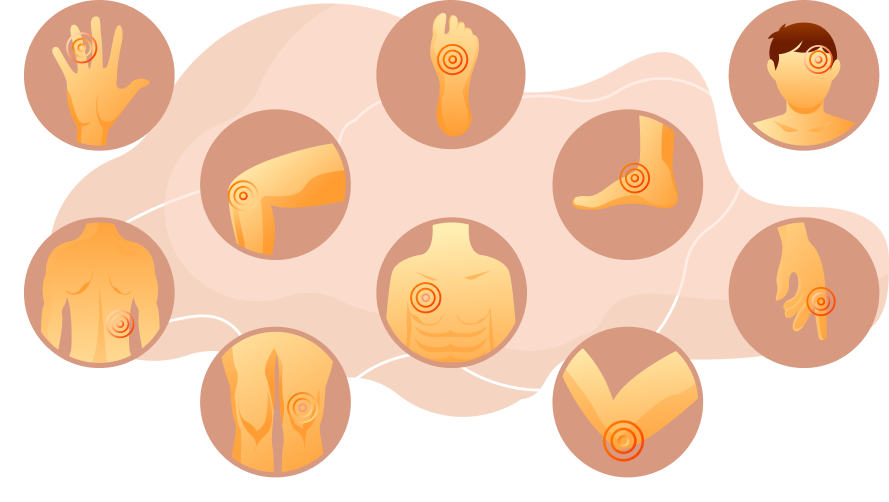
What are The Commonly Affected Joints?
- Knees – most frequently affected, severely limiting walking
- Hips – second most common, impacting all mobility
- Hands and fingers – especially thumb base and knuckles
- Spine – neck and lower back regions
- Shoulders – affecting arm movement and reaching
- Ankles – less common but severely limiting
- Feet – particularly the big toe joint
- Wrists – impacting hand function
- Elbows – affecting arm bending
- Jaw joints – causing chewing difficulties
What are The Commonly Affected Joints?
How is Bone-on-Bone Osteoarthritis Diagnosed?
Diagnosing bone-on-bone osteoarthritis involves clinical evaluation and imaging studies. Healthcare providers assess medical history, symptom progression, and how the condition affects daily life.
Physical examination checks for swelling, tenderness, range of motion, and joint stability. Doctors listen for characteristic grinding sounds when bones rub together.
X-rays are the primary diagnostic tool, clearly showing a complete loss of joint space, bone spurs, and bone density changes. In healthy joints, a clear space exists between bones, but in bone-on-bone conditions, this space has disappeared entirely.
MRI scans provide detailed views of joint structures and surrounding soft tissues. While less critical for diagnosis in bone-on-bone cases, MRI helps evaluate ligaments and tendons.
Blood tests aren’t usually necessary for osteoarthritis diagnosis, but they may rule out other arthritis types or underlying conditions.
Impact on Daily Life
Living with bone-on-bone osteoarthritis dramatically affects every aspect of daily life. Simple activities like getting out of bed, climbing stairs, or opening jars become extremely challenging and painful.
Mobility limitations are often most significant. Walking may require assistive devices like canes, walkers, or wheelchairs. Many people avoid stairs entirely or need handrails and frequent rest breaks.
Work and career may be severely affected, especially jobs requiring physical activity or prolonged standing. Many people need work modifications, reduced hours, or disability retirement.
Sleep quality suffers due to constant pain that doesn’t improve with rest. Poor sleep contributes to increased pain sensitivity and daytime fatigue.
Social activities become limited as pain and mobility restrictions interfere with hobbies, sports, and gatherings. This often leads to isolation and depression.
Independence in bathing, dressing, cooking, and household chores may be compromised, requiring increased reliance on family or hired help.
Treatment Options
Conservative Management
While bone-on-bone osteoarthritis represents advanced damage, conservative treatments can still provide meaningful relief. Pain management becomes the primary focus, requiring multiple strategies.
Medications include over-the-counter options like acetaminophen and NSAIDs such as ibuprofen. Prescription medications may include stronger NSAIDs, topical pain relievers, or carefully managed opioids for severe pain.
Physical therapy helps maintain the remaining range of motion, strengthen supporting muscles, and teach adaptive techniques. Aquatic therapy is particularly beneficial as water reduces joint stress while allowing gentle movement.
Assistive devices become crucial – canes, walkers, wheelchairs, braces, grab bars, raised toilet seats, and other adaptive equipment help maintain mobility and independence.
Advanced Non-Surgical Treatments
Joint injections can provide significant temporary relief. Corticosteroid injections reduce inflammation and provide pain relief lasting several months. Hyaluronic acid injections attempt to replace natural joint lubricating fluid.
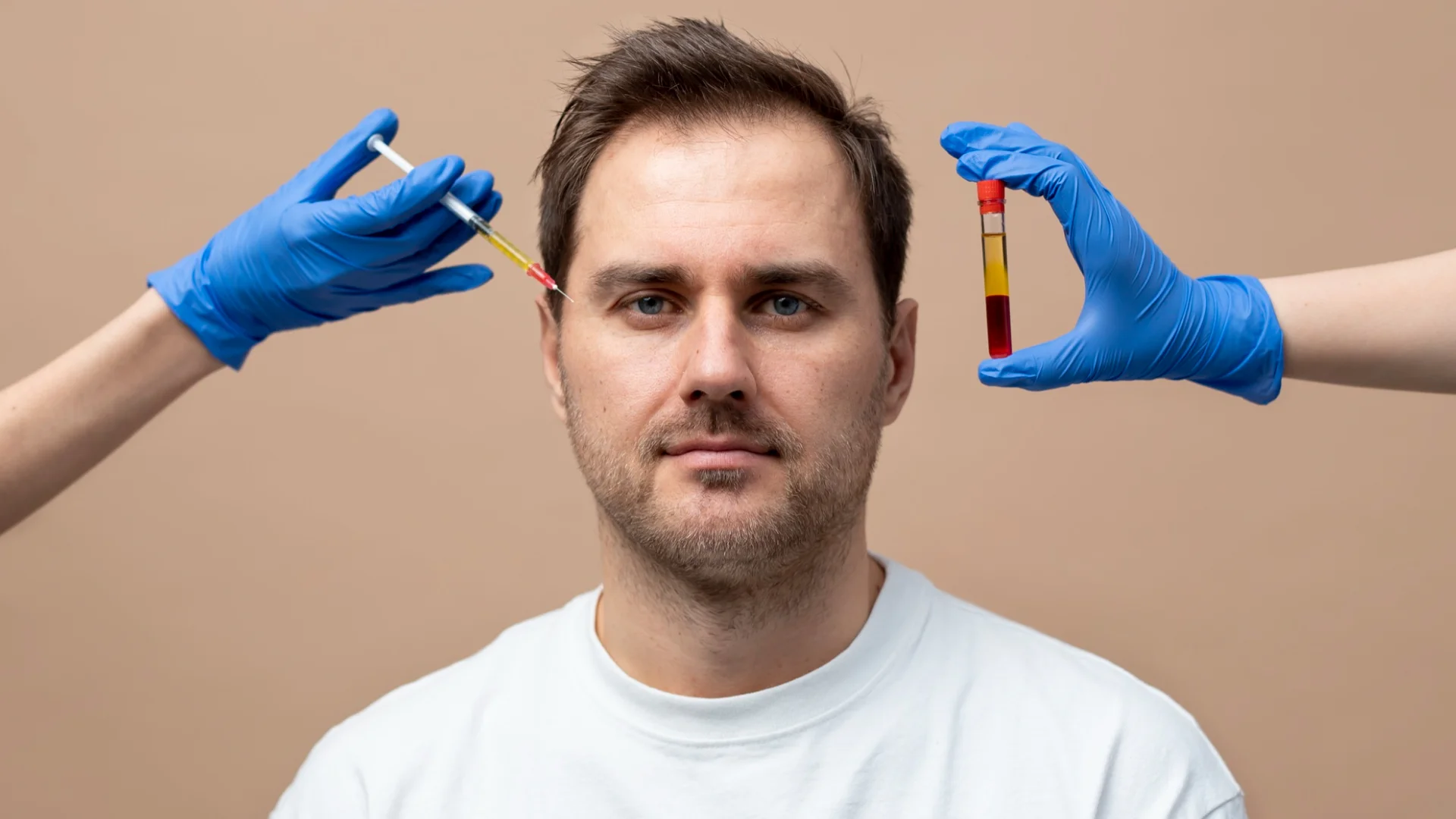
Regenerative medicine approaches like platelet-rich plasma (PRP) therapy and stem cell treatments represent newer options. While these cannot regrow destroyed cartilage, they may reduce inflammation and improve the joint environment.
Surgical Options
For many people with bone-on-bone osteoarthritis, surgery becomes the most effective treatment. Joint replacement surgery has become highly successful and can dramatically improve the quality of life.
Total joint replacement removes damaged bone surfaces and replaces them with artificial components made of metal, plastic, or ceramic. Hip and knee replacements are most common, with modern implants lasting 20+ years.
Joint fusion permanently joins bones together, eliminating pain but also movement. This provides excellent pain relief for certain joints where replacement isn’t feasible.
Living with Bone-on-Bone Osteoarthritis
Successfully managing life with bone-on-bone osteoarthritis requires significant adaptations. Energy conservation becomes crucial as chronic pain and limited mobility are exhausting. Learning to pace activities and prioritize important tasks helps maintain function.
Home modifications are often necessary – grab bars, shower chairs, ramps, stair lifts, and rearranging living spaces to minimize stair climbing make significant differences in daily function.
Emotional support is vital as severe chronic pain can lead to depression and anxiety. Counseling, support groups, and maintaining social connections are important care components.
Weight management remains important even in advanced arthritis. While it won’t restore cartilage, it reduces joint stress and may improve surgical outcomes.
When Surgery Becomes Necessary?
Surgery is considered when conservative treatments no longer provide adequate pain relief, daily activities are severely limited, pain significantly interferes with sleep and quality of life, and you’re healthy enough for surgery and rehabilitation.
Timing is important. While natural to delay surgery, waiting too long can lead to worse outcomes due to severe muscle weakness, joint contractures, and overall deconditioning.
Recovery and Rehabilitation
Recovery from joint replacement surgery is typically excellent, with most patients experiencing dramatic pain and function improvement. Physical therapy begins soon after surgery and is crucial for optimal outcomes. Rehabilitation takes several months but can restore many previously impossible activities.
Realistic expectations are important. While joint replacement provides excellent pain relief and improved function, artificial joints may not feel exactly like original healthy joints. Most people return to low-impact activities but should avoid high-impact sports.
How We Can Help You: Advanced Treatment for Bone-on-Bone Osteoarthritis
At our specialized clinic, we understand that bone-on-bone osteoarthritis represents one of the most challenging conditions. When you’ve reached this advanced stage, traditional treatments often fall short. We offer the most advanced, comprehensive treatments specifically for severe, end-stage arthritis.
Our Specialized Approach
Bone-on-bone arthritis treatment requires acknowledging severe joint damage while offering hope for meaningful improvement. Our specialists have extensive experience with advanced arthritis and understand your complex challenges.
We use advanced imaging and detailed clinical assessment to understand your condition’s full scope, including surrounding tissue health, inflammation degree, and individual pain patterns. We don’t believe joint replacement is your only option, and explore all treatments that might provide relief.
Advanced Regenerative Medicine
Regenerative medicine offers hope even for bone-on-bone osteoarthritis. While these treatments cannot regrow destroyed cartilage, they address many factors contributing to pain and dysfunction.
PRP Therapy shows remarkable results even in severe cases. While PRP cannot restore cartilage, it significantly reduces joint capsule inflammation, improves remaining soft tissue health, and creates better joint environments. Many bone-on-bone patients experience substantial pain reduction and improved mobility.
Precision Joint Injections
Advanced joint injections remain valuable in bone-on-bone arthritis with specialized techniques.
High-dose corticosteroid injections provide significant relief using advanced imaging guidance for precise placement.
Hyaluronic acid viscosupplementation can still benefit bone-on-bone conditions using the most advanced formulations.
Comprehensive Pain Management
Pain management for bone-on-bone arthritis requires sophisticated, multimodal approaches. We work with pain specialists developing comprehensive strategies addressing both physical and emotional chronic pain aspects.
Interventional procedures may include nerve blocks or radiofrequency ablation to interrupt pain signals. Medication optimization carefully balances effectiveness with safety for long-term pain management.
What Makes Our Treatment Different?
Specialized expertise in bone-on-bone arthritis sets us apart. We have extensive experience with severe, end-stage joint disease challenges.
Advanced techniques specifically adapted for severe arthritis ensure optimized treatments. Comprehensive care coordination provides seamless, integrated care.
Expected Outcomes
Many bone on bone arthritis experience significant pain and function improvements. Pain reduction is often most immediate and noticeable. Improved mobility allows better walking, stair climbing, and daily activities. Better sleep from reduced nighttime pain improves energy and well-being. Delayed surgery is possible for many patients.
Contact us today to discover how our specialized treatments can help you find relief from bone-on-bone osteoarthritis. Our advanced regenerative treatments and comprehensive care offer new hope for patients with even the most severe arthritis.
Similar Articles
At Conscious Medicine, we understand how debilitating bone-on-bone joint pain can be. Our goal is to reduce pain, improve mobility, and
aLorem Ipsum is simply dummy text of the printing and typesetting industry. Lorem Ipsum has been the industry’s standard dummy text ever since the 1500s, when an unknown printer took a galley of type

- Blog
• ...
- Blog
• PRP works faster (2-6 weeks) with strong evidence for ...

- Blog
• Clinical studies show 70-80% success rates ...